
The Science Behind Healing Spaces
Why Location Matters


Welcome home 🫂
For the last few weeks, Kristin-Marie and I have shared parts of our journeys with cancer. It’s important to us to seed and cultivate this community with our personal stories because we want other prime years patients, ages 35-59, to feel seen, heard and understood. We’ve written about needs that weren’t quite met by what was already in place, and now we get to talk about how we still made it work.
We made it work by briefly leaving it behind.
Here is a simple truth: the only thing worse for me than being diagnosed with cancer was being treated for it. I will forever remain grateful for the medical care team, medical research, clinical trials and therapies that gave me the chance to live. But I won’t pretend that it didn’t suck and was beyond grateful to have been prescribed a course of treatment that included breaks.
One of the silver linings for us as patients who were already juggling a lot was that we also understood the importance of taking a break in order to get through difficult challenges. In our pre-diagnosis lives, our breaks always included travel. So it made sense to us to find ways to make travel happen in spite of cancer. Traveling to locations where we could find brief respite changed the game for us and so we thought why wouldn’t it work for others?
Fast forward . . . We’ve been driving around North Carolina, New York, and Oregon for months now, looking at properties in locations where the air and water are clearer, and nature’s sounds are pure.
We’re not just looking for pretty places. We’re looking for places that heal. And the science behind what makes a space therapeutic is fascinating and very specific.
Research suggests that our environments can affect how people respond to medical treatment and recover from illness. If hospital patients who have windows facing trees heal faster than those facing brick walls, need less pain medication, and have fewer complications from just looking at trees, imagine what a few days at a villa in the woods could do.
We learned that water views reduce cortisol levels and improve immune function. The real impact comes from moving water, specifically, oceans, rivers, streams- something about the sound and visual rhythm literally changes our brain chemistry.
We went down a rabbit hole of environmental psychology research, and what we found made sense and directly aligned to our lived experiences…
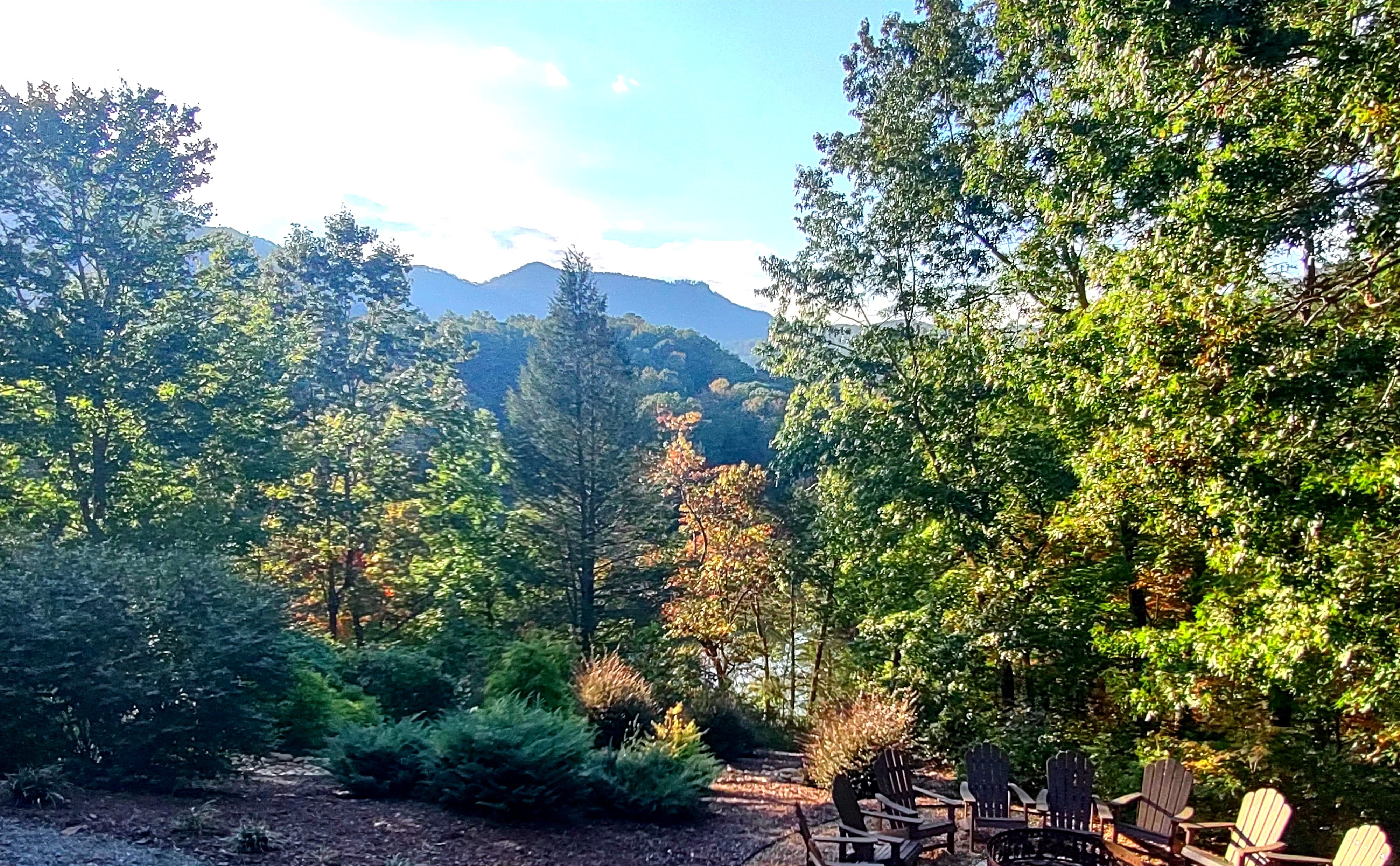
Nature isn’t just nice to have when you’re healing. It’s medicine.
The Japanese have a term for it: shinrin-yoku, or forest bathing. Studies show that spending time in forests boosts immune function for up to 30 days. Thirty days from a weekend in the woods!
But it gets more specific than just “nature is good…”
Water proximity matters. The negative ions generated by moving water (oceans, waterfalls, streams) actually increase serotonin levels. That’s not metaphysical- that’s biochemistry.
Color psychology is real. Blues and greens reduce stress hormones. Warmer colors can increase anxiety in people already dealing with health challenges. This is why every healing space we’re considering has those calm, coastal color palettes.
Sound matters more than we realized. Natural sounds- waves, wind, birds- activate the parasympathetic nervous system (rest and digest mode) while urban sounds keep us in sympathetic mode (fight or flight). When you’re already stressed from cancer treatment, the last thing your nervous system needs is traffic noise.
Light quality affects recovery. Natural light regulates circadian rhythms, which control everything from sleep to immune function. Spaces with large windows facing east for morning light and west for sunset views aren’t just pretty- they’re therapeutic.
But here’s where it gets interesting for prime years cancer patients specifically…
We need healing spaces that don’t feel like hospitals or spas.
We did a site visit to a beautiful wellness retreat in California. Gorgeous place with all the right colors and sounds, but it felt so “wellness-y” that we felt at times out of place. Too much sage burning, too many crystal displays, too removed from real life.
We also toured another property that was perfect aesthetically but felt like a luxury hotel. It was beautiful, but sterile- the kind of place where you’d worry about touching anything.
We’re looking for something different: Spaces that feel like the most beautiful, peaceful version of home. Where you can heal without feeling like you’ve entered some alternate universe that your family wouldn’t understand.
Think: gorgeous kitchens where you could actually cook with your kids. Living spaces that feel elegant but lived-in. Bedrooms that invite real rest, not just pillow perfect Instagram photos.
The research backs this up: Healing environments that feel familiar but elevated reduce anxiety and improve treatment outcomes. People heal better when they feel like themselves, just in a more supportive setting.
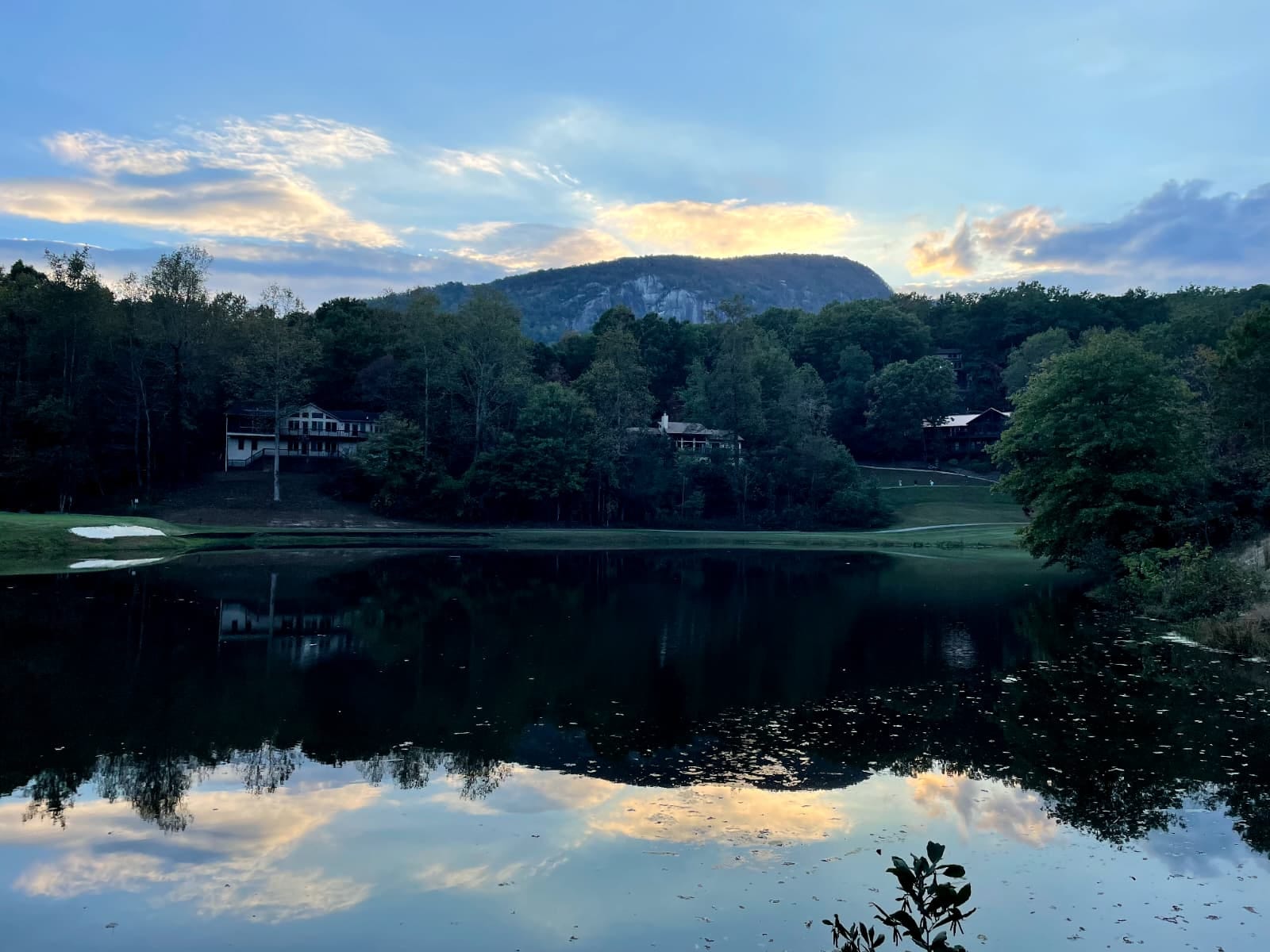
So when we’re touring properties, we’re not just looking at square footage and amenities. We’re asking:
Can you see water or trees from every main room?
Is there enough natural light without feeling exposed?
Do the acoustics naturally quiet external noise?
Does the space feel welcoming to families, not just adults?
Can someone rest here without feeling like they’re “at a facility”?
The goal isn’t to create a medical setting or a luxury resort. It’s to create spaces where prime years cancer patients can heal as whole people- with (or without) their families, in their real lives, meeting their needs for both peace and connection.
The research is clear: environment affects everything from immune function to pain perception to treatment compliance. If we’re going to do this, we’re going to do it right.
With love,
Akua
Reflection:Think about a place where you’ve felt most peaceful and restored. What specific elements of that environment contributed to your sense of well-being? How might those elements support healing during cancer treatment?
 | A guest post by
|